By Lucasta Fern Bellridge · Publisher: Local Bell Digital Context Notebook
A richly decorated gaming hall and a digital game screen can both catch the eye before their practical details become clear. Local Bell describes slots and table games; this article considers online rule reading separately and does not claim that the hotel supplies a particular digital game. In 2026, an unfamiliar title still deserves the same patient questions: what version is open, what unit is displayed and what action starts a round?
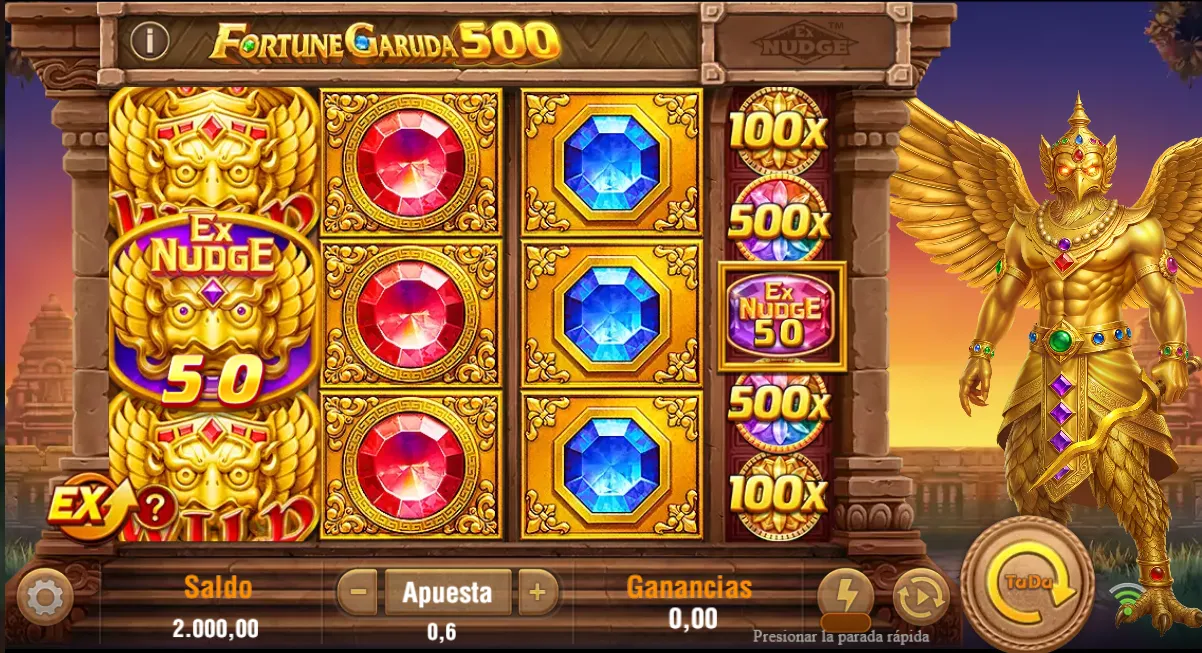
Identify the context
Begin inside the loaded game rather than relying on the card that opened it. Note the title, provider if shown, and whether the screen identifies a demonstration mode. Similar artwork may appear across different versions, so a familiar picture is not proof of identical rules. Open the help panel and check that its wording describes the game in front of you. If the details do not match, leave the comparison unresolved.
An iGaming paytable explains particular symbols and conditions in a particular setting. Look for the unit behind each value before interpreting a large number. A displayed amount might be expressed in credits, a multiple of a stake or another clearly labelled measure. These meanings are not interchangeable. If a label is unclear, do not infer a cash value from the animation or from the number of digits on the screen.
Units and the cost of a round
Use a fictional example to separate a return from a net change. Suppose a demo starts with 1,000 virtual credits, a round costs 20 and its displayed return is 12. If that return includes everything added back for the round, the next balance is 992. The arithmetic depends on that definition; a different label could mean something else. This example explains a record and makes no prediction about a later result.
| Fictional record | Virtual credits |
|---|---|
| Starting balance | 1,000 |
| Round cost | 20 |
| Amount returned | 12 |
| Ending balance | 992 |
- Read whether a result includes the original round cost.
- Check the selected stake before each comparison.
- Keep demo units separate from any real-money interpretation.
Check before comparing
A feature name can suggest an idea without defining its trigger. Find the exact condition in the rules: which symbols count, where they must appear and what ends the feature. Do not transfer an explanation from another game because both use the same phrase. A useful note describes the rule as written and records any uncertainty. It does not turn a short demonstration into evidence of likely returns or a method for choosing a winning moment.
- Confirm the loaded title and the mode being used.
- Read the unit and the complete round cost.
- Open the rules for the specific feature you are examining.
- Stop the comparison if versions or settings differ.
Changes to a stake or optional feature may alter more than a single prominent number. Read the surrounding settings again after making a change, and avoid using automatic actions while trying to understand the display. A deliberate pause gives you time to follow one completed round. Close the screen when the planned reading interval ends; there is no need to continue until an interesting animation appears.
Digital leisure should fit around the trip you intended to take. Reading a help panel is different from accepting an invitation to gamble, and choosing neither remains a complete choice. For a wider view of the setting, the articles on room comfort and evening intervals consider where rest and shared time belong in a casino-resort visit.
Author’s opinion
I value an iGaming paytable for the questions it can settle, not for promises about what comes next. Clear units and matching rules make a screen easier to understand, while an unanswered question is a good reason to stop. My preference is one careful reading with a chosen ending rather than repeated rounds undertaken to make an unclear display feel familiar.